Your Bag

Your Bag is empty

Top 10 Bestseller in Squash Balls

Dunlop Progress Red Dot Squash balls - 3 Pack

by
Code SQUASHBALLPROGRESS
Regular price £9.99
Unit price
per
(0 in Bag)
Visa American Express Mastercard PayPal Apple Pay Google Pay
Buy more, save more

Complete your kit

Bundle total £9.99

Dunlop Progress Red Dot Squash balls - 3 Pack
£9.99

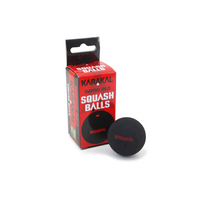
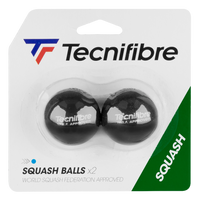
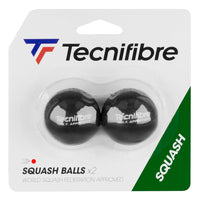
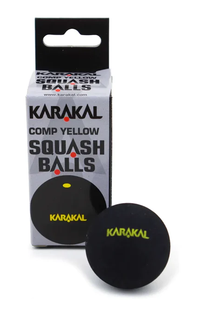
The Dunlop Progress Squash Ball can be recognised by the red dot. This ball is ideal for recreational players. The Dunlop Progress Squash Ball is 6% bigger and bounces 20% more than the Dunlop Pro Squash Ball (double yellow dot). This gives you more time to play the ball and keep the ball alive. You can warm up the ball but it is not necessary.

UK:

  • FREE tracked delivery (2-3 business days) on orders of £40 or more!
  • Upgrade to Expedited 24hr tracked delivery at checkout.

International:

  • Shipping calculated at checkout.
  • All packages are fully insured for your peace of mind.

Dispatch:

  • Same-day dispatch for weekday orders placed before 2pm (excluding holidays).
  • Weekend orders ship on Monday.
  • 24hr deliveries on Friday may arrive on Monday.
  • Please allow 7 days for delivery before contacting us.
What is the difference between pressurised and pressureless balls?

Pressurised balls are filled with air and play livelier, which is why matches are played with them, but the pressure escapes within weeks of opening the tin whether you use them or not. Pressureless balls take their bounce from the rubber itself, so they last far longer and get better as the felt wears in. They are the sensible choice for ball machines, coaching baskets and practice.

How long do tennis balls last?

A tin of pressurised balls is at its best for around two to three hours of play, and noticeably flat after a few weeks of being open. Serious players open a fresh tin per match. For casual hitting, most people play on with balls long past the point where they have gone dead.

What are red, orange and green balls?

They are the stages of the junior pathway. Red balls are the slowest and lowest bouncing, then orange, then green, then a standard yellow ball. Using the right stage means a child can actually rally rather than chase, which is why coaching programmes are built around them.

Can I use tennis balls for padel?

They look the same but sit at different pressures. A padel ball is slightly softer and bounces lower, which is what makes the padel game controllable. Using tennis balls makes rallies much harder than they should be, and is the single most common mistake new padel players make.