Your Bag

Your Bag is empty

Sale

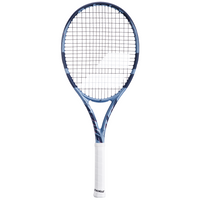
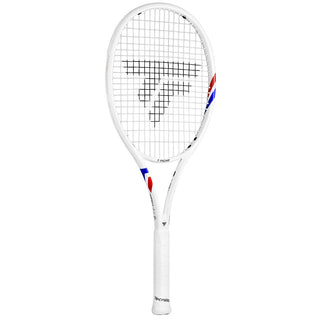
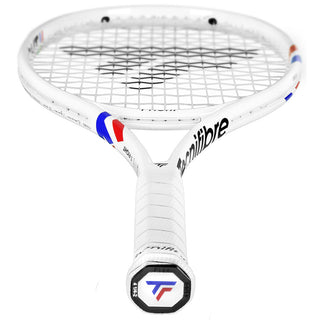
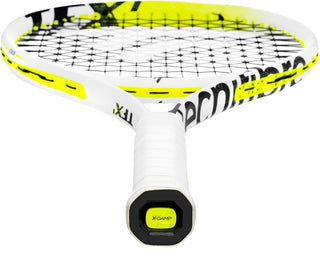
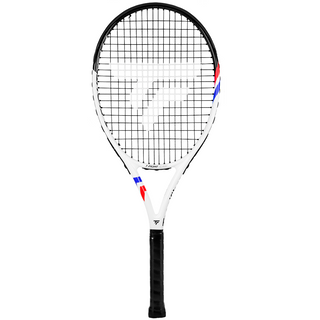
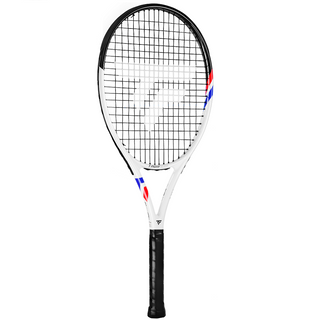
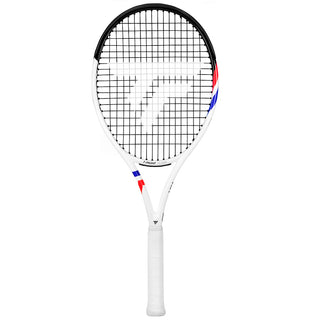
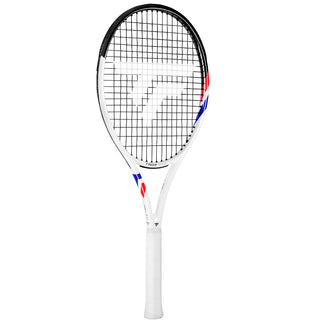
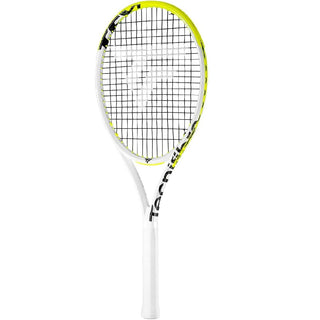
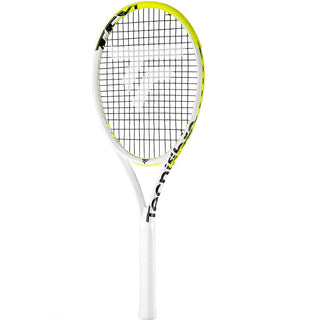
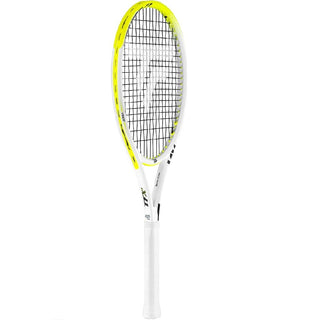
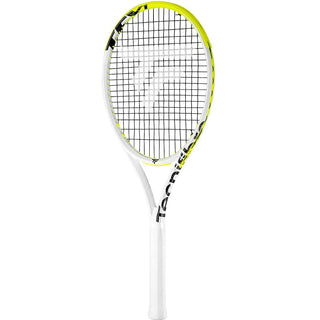
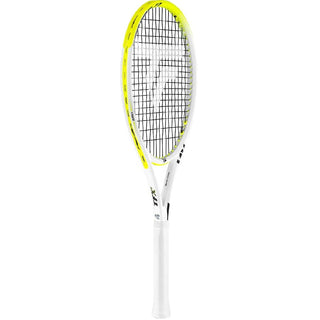
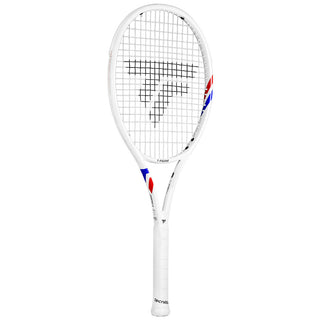
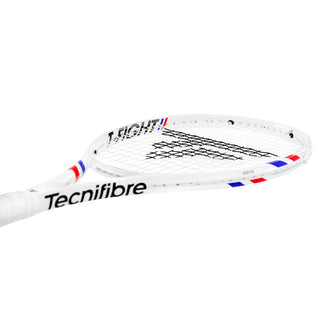
Tecnifibre T-Fight 315 S - 2025 - Frame Only

by
Code WH3698
Regular price £184.99 £240 23% off
Unit price
per
(0 in Bag)

Key Feature

Head Size

98 Sq Inches

Weight

315g

Balance

Head Light

String Pattern

16x19

Construction

Graphite

Visa American Express Mastercard PayPal Apple Pay Google Pay
Buy more, save more

Complete your kit

Bundle total £184.99

Tecnifibre T-Fight 315 S Tennis Racket - 2025 - Frame Only
£184.99 £240

Head size - 98 Sq Inches

Weight - 315g

Balance - Head Light 

String Pattern - 16 x 19

Description

The T-FIGHT 315S Adult tennis racquet has been designed to deliver the perfect balance between power and control for top-level competitors. With a weight of 315 g, it is the heaviest in the T-FIGHT range, unleashing maximum power for players with excellent technique. 630 sq cm head size for stability and control and 16x19 string pattern for optimum spin.

The T-FIGHT 315S racquet is upping its game to keep pace with modern play. It is shaped by the “RS Section” unique frame ergonomics, which strike the ideal compromise between power and control by combining the best of the classic “square” and “round” sections. The frame is more manoeuvrable, with a more central weight distribution to release acceleration of the racquet head. It is also equipped with Isoflex technology, providing varying stiffness all around the frame to increase the sweetspot area and enhance forgiveness and stability on impact.

The T-FIGHT range is used on the Tour by top players Daniil Medvedev and Iga Swiatek, as well as most of the Tecnifibre Team, including Alexander Bublik and Tallon Griekspoor. Lots of players with very different styles of play use T-FIGHT, proof of its versatility.

The mission of the Tecnifibre brand is to unleash the potential of every player by offering products that combine high performance and unique elegance, all developed in the TECNILAB laboratory using the logic: Identify, Quantify, Solve.

The game of tennis is being played ever faster both on the Tour and in clubs alike. The average first serve speed on the Tour has increased from 168km/h in the early 2000s to 190km/h in 2020, and the number of aces has shot up. Professional players’ racquetshave also developed to adapt to these changing dynamics.

We have measured these changes by conducting a generational analysis of the racquets of active professional players. And the results are noteworthy indeed. First, racquets have become ever more lightweight: Next Generation players are using frames that are 18 g lighter on average than older players’ racquets. The swingweightis also going down, with a 20-point difference between these two generations.

To sum up, the game is progressing towards racquets offering ever greater manoeuvrability as players have less time to react and need to swing their racquet through faster, to generate power. That’s why the swing speed is key in modern tennis!

As such, we’ve designed the new T-Fight racquet with a crucial challenge in mind - to create a more manoeuvrable racquet which retains its hallmark: perfect balance between power and control. On the one hand, the weight has been redistributed to reduce the swingweight and facilitate acceleration of the racquet head. And on the other, the frame ergonomics with the RS section have been strengthened to increase the power level.

Leveraging this in-depth research, the new T-FIGHT 315S is more powerful and manoeuvrable than ever, becoming the ultimate racquet for the modern tennis player.


  • Head Size - 98 Sq Inches
  • Weight - 315g
  • Balance - Head Light
  • String Pattern - 16x19
  • Construction - Graphite
  • Product code - WH3698

UK:

  • FREE tracked delivery (2-3 business days) on orders of £40 or more!
  • Upgrade to Expedited 24hr tracked delivery at checkout.

International:

  • Shipping calculated at checkout.
  • All packages are fully insured for your peace of mind.

Dispatch:

  • Same-day dispatch for weekday orders placed before 2pm (excluding holidays).
  • Weekend orders ship on Monday.
  • 24hr deliveries on Friday may arrive on Monday.
  • Please allow 7 days for delivery before contacting us.
What head size should I choose?

Larger heads of 105 square inches and up give a bigger sweet spot and more free power, which suits improvers and anyone who does not generate their own pace. Mid-size heads around 95 to 100 square inches give more control and a cleaner feel, but you have to swing properly to get anything out of them. Most club players sit between 98 and 105.

Does racket weight matter more than head size?

They matter in different ways. Weight determines stability: a heavier frame holds its line against a hard ball and transmits less shock to the arm, while a lighter one is easier to swing but gets pushed around. Head size determines forgiveness. A light racket with a big head is the most beginner-friendly combination; a heavy racket with a small head is the least.

What is racket balance and which should I pick?

Balance is where the weight sits along the frame. Head heavy rackets are usually lighter overall and add power for players with shorter swings. Head light rackets are usually heavier overall and suit players who generate their own pace and want manoeuvrability at the net. Even balance is the safe middle.

Should I buy a strung or unstrung racket?

Frames sold unstrung are aimed at players who want a specific string and tension, and the cost of stringing needs adding. Strung rackets come ready to play with a factory string that is fine to start with. If you do not yet know what string you like, buy strung.

How often should a tennis racket be restrung?

The old guideline is to restring as many times per year as you play per week. Strings lose tension from the moment they go in, whether you play or not, so a racket strung two years ago is well past its best even if nothing has broken. If you are breaking strings regularly, a polyester will last longer.
When does a junior move up to an adult racket?

Junior frames are sized by length, not age. Most players move to a 27 inch adult frame at around 11 or 12, but the test is whether they can swing the racket through the ball without the head dropping. Moving up too early builds bad habits that take longer to undo than waiting.